Elegance Reimagined from the Unexpected

Today we dive into Luxury Salvage and Reuse: Sourcing Upcycled Statement Pieces, exploring how forgotten materials from grand spaces can be reborn as conversation-starting icons. Expect practical sourcing routes, quality checks, craft techniques, styling strategies, and candid stories from the hunt. Share your own discoveries, ask questions, or pitch collaboration ideas in the comments. Subscribe for weekly field notes, supplier spotlights, and behind-the-scenes builds that turn cast-offs into heirlooms with conscience, character, and undeniable presence.

Finding Treasure in Unlikely Places

The most unforgettable objects often start as overlooked remnants hiding in plain sight. High-end hotels replace interiors quietly at midnight, heritage retailers modernize fixtures, and private clubs refresh lounges without fanfare. By learning the rhythms of renovations, refits, and liquidations, you can intercept exquisite materials before they disappear. We’ll map reliable sources, signals to watch, and etiquette for approaching gatekeepers who value discretion. Bring curiosity, patience, and sturdy gloves; fortune favors the prepared scavenger who arrives with measurements, a dolly, and a respectful smile.

Provenance, Quality, and Risk

Patina versus Damage

Surface oxidation, worn edges, and sun-kissed tones can sing; delamination, worm tracks, and crumbling foam often scream trouble. Probe joinery, flex panels gently, and sniff for mold or petrochemical fumes. Examine screw heads for era consistency and spot suspicious machine wear. When in doubt, choose materials that can be stabilized with reversible methods. Authentic character should remain, while structural problems receive honest, well-documented repairs that any future conservator could understand and respectfully undo.

Materials to Seek, Materials to Skip

Seek solid brass and bronze, hardwood frames, wool textiles, thick glass, and natural stone with repairable edges. Be wary of crumbly particleboard, fatigued chrome plating, brittle plastics, and dubious exotic skins. Verify CITES status for rare woods and avoid anything with ivory. If a part’s lifespan cannot outlast your planned use, let it go. Remember, durability and repairability are glamorous virtues; long-term stewardship outshines short-lived novelty every single time.

Documenting the Journey

Photograph each find at its original location, capture serial plates, and store invoices with contact details. Record treatments, finishes, adhesives, and hardware swaps in a simple digital log. Add a discreet label or QR code linking to provenance notes. This living dossier elevates value, eases insurance claims, and offers clients a narrative they can proudly share. It also disciplines your process, reminding you why choices were made and how to maintain integrity over decades.

From Find to Showstopper

Transformation starts with intention. Define the function, mood, and scale before any cut or polish. Respect what the original maker solved brilliantly, then layer modern comfort, performance, and safety. Collaborate with craftspeople early and budget for mockups and surprises. Celebrate imperfections that carry time, and avoid forcing a new identity that erases memory. When done well, a rescued fragment steps forward as a statement—less a project, more a conversation between eras that captivates rooms instantly.

Restoration Methods That Respect History

Choose techniques that can be retraced. Conservation-grade adhesives, gentle solvents, and traditional finishes guard against brittle futures. Balance protective coatings with tactile honesty; let wood breathe and metals age gracefully where appropriate. Document every intervention with photos and sample cards. When you cannot reverse a step, pause and reconsider. The goal is endurance with dignity—pieces that survive moves, parties, and decades without losing the soft glow of stories embedded in their surfaces.

Styling for Maximum Impact

Placement turns craft into gravity. Treat a reclaimed icon as a soloist, supporting it with lighting, negative space, and materials that echo without mimicking. Curate neighboring textures so the piece neither shouts nor disappears. Anchor with rugs or art that guide sightlines, then invite touch where appropriate. In residences, frame views; in hospitality, choreograph guest flow. Most importantly, narrate the origin with warmth, so visitors feel the arc from rescue to refinement.

Balancing Contrast and Harmony

Pair honest age with crisp silhouettes: weathered oak with linen, blackened steel with polished stone, vintage leather beside matte plaster. Keep color palettes limited so texture leads. Allow breathing room to avoid museum stiffness. A single strong flora element—branch, palm, or sculptural dried arrangement—adds life without competing. Edit relentlessly, then add one unexpected accent that winks at the piece’s past, inviting curiosity rather than demanding attention.

Lighting That Loves History

Use layered lighting—wash walls broadly, then punch highlights with 15–30 degree accents. Choose warm color temperatures and high CRI to flatter metals and woods. Conceal sources to preserve mystery, and dim generously to shift mood through the evening. Consider reflection: patinated brass loves grazing light, while glossy stone needs softer diffusion. Test at night and photograph from guest eye height to confirm the piece feels magnetic yet restful from every approach.

Telling the Story

Offer a concise narrative card or a playful line in the tour script: where it lived, why it was saved, who restored it, and how to care for it. Clients cherish details that reveal intention. On social, share before-and-after progress with maker credits and material facts. Invite readers to comment with their finds, questions, or challenges, and subscribe for sourcing alerts. Storytelling turns admiration into attachment and attachment into stewardship.

Sustainability, Logistics, and Care
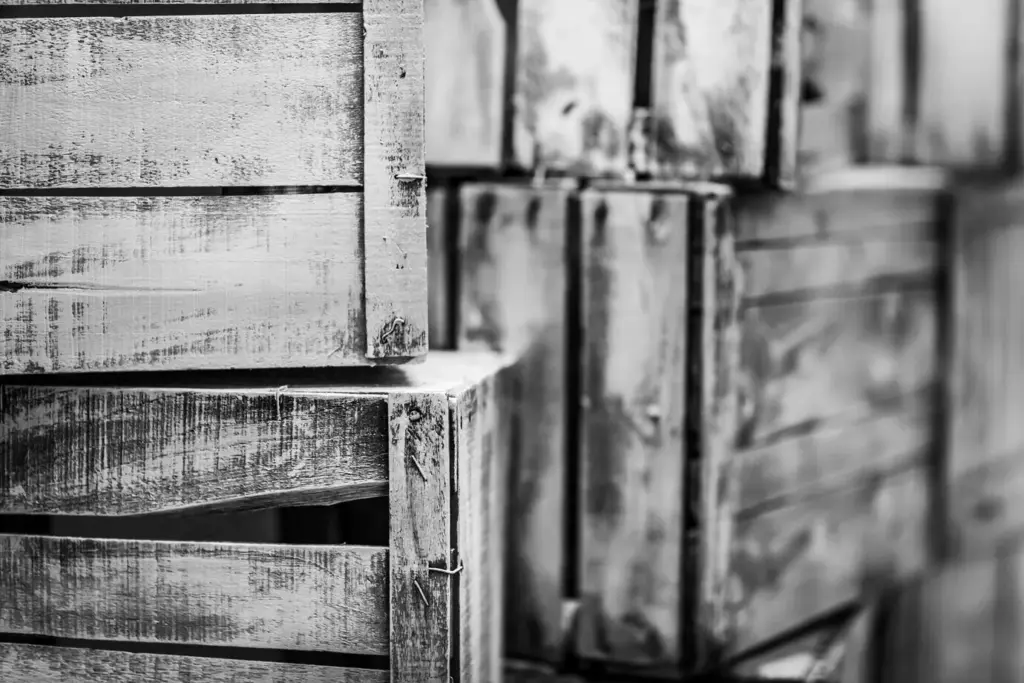
Glamour and responsibility can coexist. Calculate embodied carbon saved by reuse, plan transport that minimizes damage and emissions, and insure properly so risk never eclipses beauty. Budget for surprises and conservation-grade materials. Create end-of-life plans even for heirlooms, encouraging modularity and future repairs. Small, disciplined steps—smart crating, humidity control, maintenance calendars—separate fleeting showpieces from enduring companions. Share your practices openly to grow a community where luxury and circularity reinforce each other powerfully.

Budgeting and ROI in the Circular Lane
Break costs into acquisition, stabilization, transformation, logistics, and contingencies. Track resale performance and insurance appraisals to understand appreciation patterns. Some pieces outperform market furniture by telling a richer story with lower environmental cost. When clients grasp lifetime value—financial, cultural, ecological—they authorize better materials and slower, smarter timelines. Transparency builds trust, repeat work, and referrals that reduce your prospecting burden dramatically over time.

Shipping, Insurance, and Protection

Design crates with foam-in-foam, corner blocks, and vibration monitoring. Use moisture barriers for metals and silica gel for sensitive woods and leathers. Declare full value, photograph packed stages, and require signatures on delivery. For installations, plan paths, thresholds, and elevator capacities meticulously. Keep touch-up kits and QR-linked care guides on-site. Thoughtful logistics transform nerve-wracking handoffs into graceful unveilings where everyone breathes easier and the piece arrives ready to enchant.
Lofivitopumizuke
Privacy Overview

This website uses cookies so that we can provide you with the best user experience possible. Cookie information is stored in your browser and performs functions such as recognising you when you return to our website and helping our team to understand which sections of the website you find most interesting and useful.